Blog
Get Ready to Level Up Your Entertainment


By the time you finish this article you’ll know how to pick the right mobile game, set a budget that keeps you in control, and use free trial periods to test new titles before you commit. You’ll also see why the UK’s mobile‑gaming market is expected to hit £2.5 billion in revenue by 2025.
Step 1: Identify the Core Experience You Want
Start with a quick audit of your screen time. Open the Settings app, tap Screen Time, and note the average minutes spent on games each day. If you’re logging 45 minutes or more, you’re already in the thick of it. Decide whether you want casual puzzle play, competitive esports, or immersive role‑playing adventures. This focus will guide every other choice.
Step 2: Scan the Store for “Free‑to‑Play” Gold
Open the Play Store or App Store and filter by “Free.” You’ll find around 3,000 new releases each month. Narrow it down by rating—look for titles with at least 4.2 stars and 10,000+ reviews. Check the “Top Grossing” list to spot games that keep players spending; they often have well‑balanced monetisation and engaging updates.
Step 3: Test with In‑App Purchases Before You Commit
Many games offer a “Starter Pack” that costs £0.99. Grab one and see how the UI feels. Does the game reward you for spending or make you feel pressured? Pay attention to the “Daily Login Bonus” system—if it resets every 24 hours, you’re likely dealing with a pay‑to‑win model. Set a daily budget in your phone’s payment settings; for most players, £1–£3 a day keeps the fun alive without breaking the bank.
Step 4: Keep Your Device Safe and Your Games Fresh
Download a reputable antivirus app like Avast Mobile Security and schedule daily scans. Turn on automatic updates for your game library to receive the latest patches that fix bugs and add new content. If a game stops updating for more than six months, consider moving on—developers that ignore maintenance often cut support for in‑app purchases.
Common Mistake: Ignoring the “Micro‑transaction Trap”
It’s easy to overlook the subtle nudges that push you to spend. For instance, a “Limited‑Time Offer” banner that disappears after 12 hours can trigger a split‑second purchase. Check the game’s in‑app store before you click; most apps now show a price history bar. If the price jumps by more than 30 % over a week, you’re likely looking at a promotional push rather than a genuine discount.
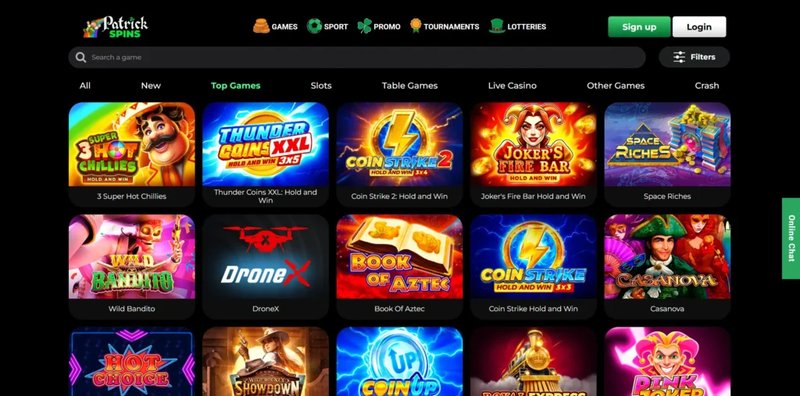
When you’re ready to explore online entertainment beyond mobile, you might want to try a platform that blends casual gaming with a touch of casino excitement. Patrick Spins Casino Login offers a straightforward interface and a range of bonus offers that can complement your mobile strategy.
Wrap‑Up: Your Mobile Gaming Toolbox
With a clear goal, a vetted app list, a strict budget, and a security routine, you’ll enjoy mobile games without the headache. Remember to revisit your settings every month—gaming trends shift quickly, and what’s popular today might be outdated tomorrow. Keep experimenting, stay mindful of your spending, and enjoy the next wave of UK entertainment straight from your pocket.
Frequently Asked Questions
How do I pick the right mobile game for me?
Start by identifying the core experience you want—action, puzzle, strategy, or casual—and then read reviews, watch gameplay, and try demos. This helps ensure the game matches your interests.
What’s a smart way to budget for mobile games?
Set a fixed monthly allowance and track your spending with an app. Stick to the limit and avoid impulse purchases by checking the price history and using in‑app purchase alerts.
Can I truly test a game before buying it?
Yes, many titles offer free trial periods or demo versions. Use these to gauge gameplay, graphics, and controls before making a purchase decision.
Why is the UK mobile‑gaming market growing so fast?
With increasing smartphone penetration, a surge in casual gaming, and rising ad revenue, the UK market is projected to hit £2.5 billion by 2025.